Which Southeast Asian Economy Is Really Winning?
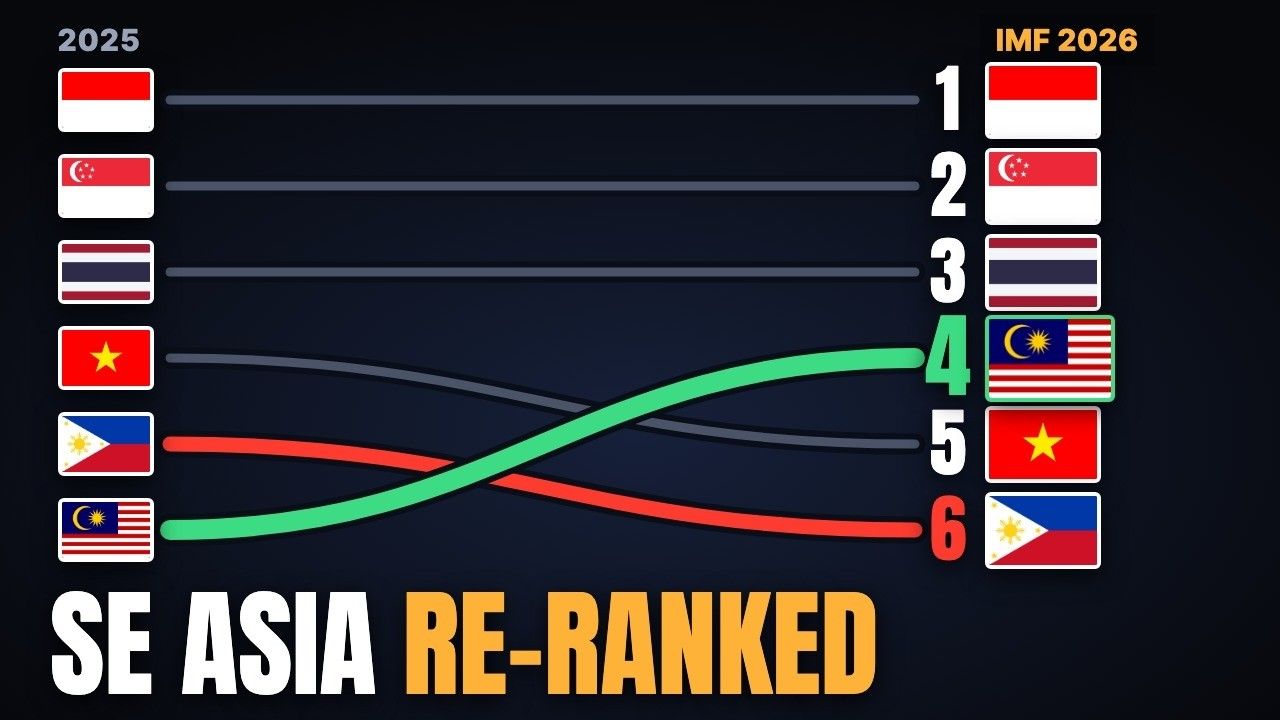
On the IMF's October 2026 numbers, Malaysia climbs from last of Southeast Asia's six big economies to fourth, the Philippines falls to last and Vietnam passes Indonesia in income per person. We ranked the six four ways and found that one currency moved the table more than a whole year of growth.
The chain reaction
From oil ▲ to your money
Domino 1
Oil ▲
Oil spent much of 2026 above $100 a barrel, which hurts the economies that import much of theirs. The IMF: energy importers with little connection to the technology boom “face the most difficult configuration”.
1:47 Why it movedDomino 2
Currencies
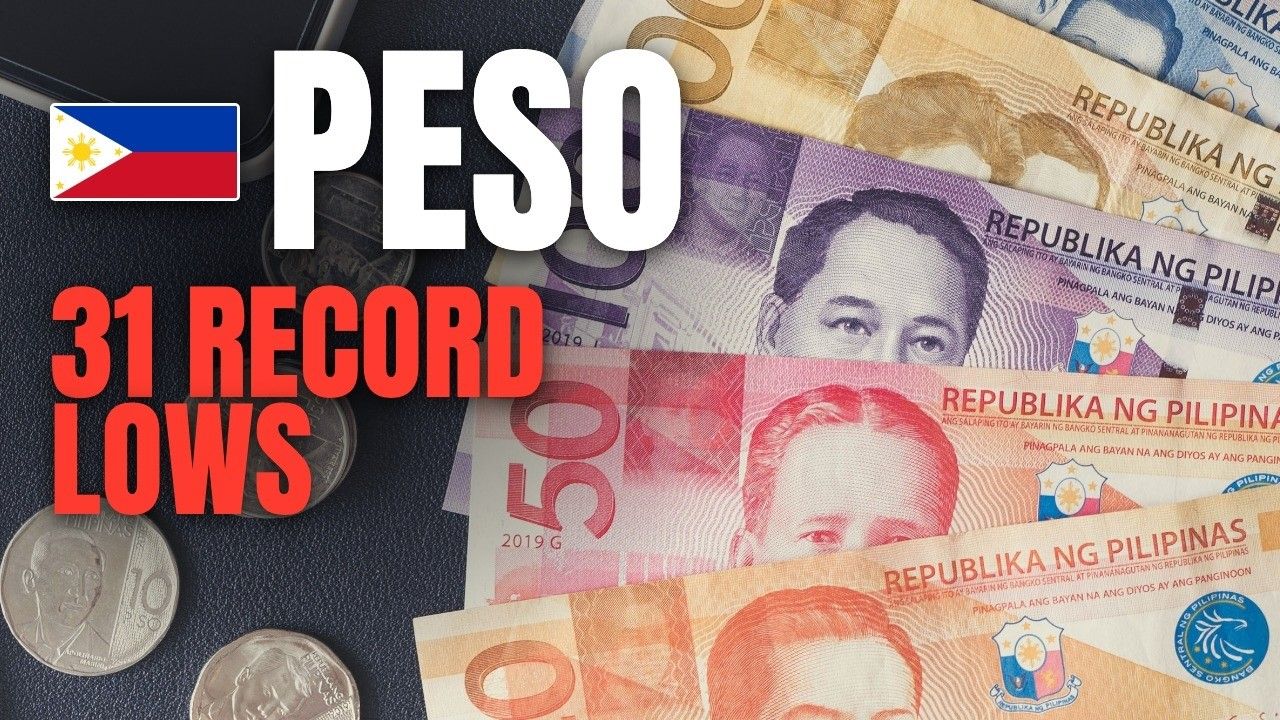
The ringgit rose about 10% against the dollar in 2025 and is back about where it started this year. The peso has closed at a record low more than thirty times this year.
1:47 Why it movedDomino 3
Size in dollars
Malaysia's economy grows about 5% in real terms this year, but almost 16% in US dollars, and the ringgit is the biggest piece. At last year's exchange rates, Malaysia would still be last.
1:47 Why it movedDomino 4
The table
Indonesia ≈US$1.48 trillion, Singapore US$668 billion, Thailand US$599 billion, then a near tie: Malaysia US$547 billion, Vietnam US$542 billion. The Philippines is last at ≈US$502 billion (IMF estimates for 2026).
0:43 The new tableDomino 5
Four tables
Three leaders: Indonesia for size, Vietnam for speed (8.4% growth), Singapore for income per person (≈US$109,000 a head). And the biggest climber: Malaysia.
4:18 Four ways to rankDomino 6
Your money
A Singapore dollar buys about 4% fewer ringgit than last year on average: S$3,000 (≈ US$2,350) a month is about RM400 (≈ US$100) less. US$500 sent home to the Philippines buys about ₱1,700 more, while prices rise 7% and rice about 20%.
7:20 Where it reaches you
The story
What this episode explains
On the IMF's new numbers, Malaysia goes from the smallest of Southeast Asia's six big economies in 2025 to fourth in 2026, past Vietnam and the Philippines. The Philippines falls to last, and Vietnam passes Indonesia in income per person. Yet Malaysia's economy grew about as fast as Indonesia's. So which Southeast Asian economy is really winning, and why did one currency move the table more than a whole year of growth?
We ranked Indonesia, Singapore, Thailand, Malaysia, Vietnam and the Philippines four ways (size in US dollars, real growth, income per person and buying power) from the IMF's October 2026 World Economic Outlook, and followed the money to pay, remittances and prices. Our own analyses: each country's change in US dollars split into real growth, prices and currency (the ringgit is the biggest piece of Malaysia's jump, and at last year's exchange rates Malaysia would still be last); the ringgit's yearly averages against its path since New Year (ECB rates); every change of place since 1990; and what a Singapore dollar is worth in ringgit and US$500 in pesos this year.
- 6th → 4th
- Malaysia's place among the six by size in US dollars, 2025 → 2026 (IMF)
- +15.7%
- Malaysia's economy in US dollars in 2026; about 5% in real terms, the rest prices and the ringgit
- US$5,259
- Vietnam's income per person in 2026, passing Indonesia's US$5,153 (IMF)
Read it instead
The full transcript
Read all 9 chapters
0:00Sixth to fourth
Last year, Malaysia had the smallest economy of Southeast Asia's big six. This year, on the IMF's new numbers, it climbs back to fourth past Vietnam and the Philippines.
The Philippines, with more than three times as many people as Malaysia, falls to last. And Vietnam passes Indonesia in income per person for the first time in at least 35 years.
So which Southeast Asian economy is really winning and why did one currency move the table more than a whole year of growth? We ranked the six four different ways and followed the money all the way to your pay.
This is Dominomics. We take one big story and follow its chain reaction all the way to your money.
0:43The new table
Twice a year the International Monetary Fund publishes its World Economic Outlook: numbers for almost every economy on Earth. This year's included. The latest came out on October the 13th at the IMF's annual meetings, held this year in Bangkok.
The usual way to rank economies is by size: everything a country produces in a year, its GDP turned into US dollars. Here are the six for 2026. Indonesia is far ahead at almost 1.5 trillion dollars, more than twice the size of Singapore in second place. Then comes Thailand.
Then a near tie. Malaysia at 547 billion dollars. Vietnam at 542, less than 1% behind. And in last place the Philippines at about 500 billion.
One warning before we go on. The year isn't over. So these are still the IMF's estimates. If the ringgit averaged just 1% weaker than the IMF assumes, or Vietnam grew a little faster, Malaysia and Vietnam would be level.
1:47Why it moved
Here's the strange part. This year Malaysia's economy is growing about 5% and so is Indonesia's. But in US dollars Malaysia's grows almost 16% and Indonesia's just over 2%.
That's because a size in dollars is three things multiplied together: how much more a country really makes, how much its prices rise, and what its money is worth in dollars.
For Malaysia, real growth added about $26 billion, higher prices about 14, and the ringgit about 35, the biggest piece of all. Measured at last year's exchange rates, Malaysia would still be in last place.
And here's the twist. Since New Year, the ringgit is back about where it started against the dollar. Its climb came last year, about 10%, the strongest in the region, according to Malaysia's central bank, as investors bought into emerging markets and America cut interest rates.
But the IMF compares whole years. The ringgit averaged 4.28 to the dollar in 2025, and about 4.02 so far this year. So last year's rally lifts this year's ranking.
The Philippines went the other way. Its economy is growing 3.4%. The only one of the six the IMF has marked down since April. And its prices are rising faster than anywhere else in the six. The peso has averaged about 5% less in dollars than last year. It has closed at a record low more than 30 times this year, most recently this week.
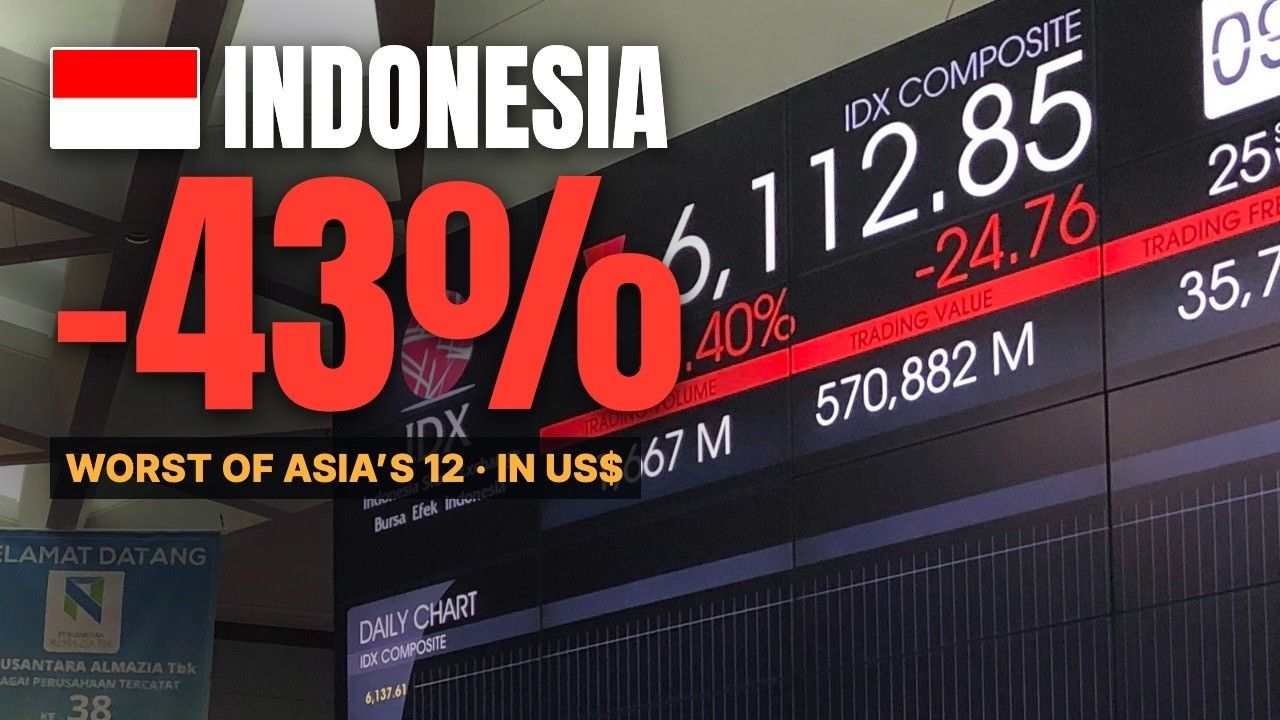
Indonesia is growing 5%, yet in dollars its economy barely grew. The rupiah's fall cancelled most of it, and it sits close to its weakest ever, about 18,000 to the dollar.
The others fit the same pattern. Singapore's dollar rose too. Its central bank steers the currency instead of interest rates. And lets it climb slowly to hold down the price of imports. Vietnam's dong, also steered by its central bank, slipped a little. So 8% growth became just under 10 in dollars. And Thailand's baht held about steady on average. So its slow growth shows up in dollars almost as it is.
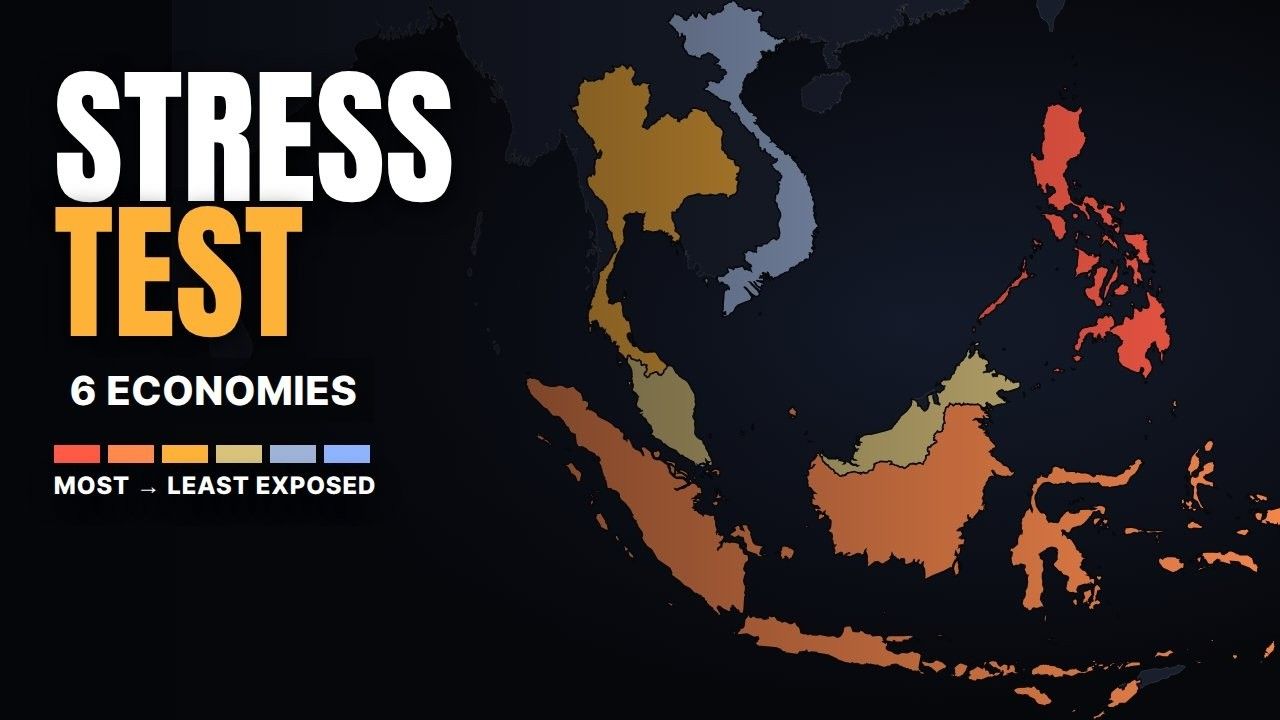
What pushed these currencies apart is what we found when we ranked Asia's currencies this year. Oil, chips, and trust. Oil has spent much of this year above $100 a barrel, and the Philippines and Indonesia import much of theirs. Malaysia sells gas, and Malaysia and Singapore sell chips.
The IMF's own words for it: economies that import their energy and have little connection to the technology boom face the most difficult configuration.
4:18Four ways to rank
So a ranking in dollars says as much about currencies as about how people live. We ranked the six three more ways, and on one of them, a country passes Thailand for the first time in the IMF's records.
First, by speed: real growth this year. Vietnam leads by far, at 8.4% on the IMF's numbers, and its own statistics office says it grew 9% in the first nine months. Malaysia, Indonesia, and Singapore grow around 5, with Singapore's forecast raised the most of the six since April on the AI boom. The Philippines 3.4.
And Thailand comes last, at about 2. Thailand's central bank governor says its potential growth has fallen to about 2.7% as its workforce ages and investment lags.
Second, by income per person. Singapore is in a league of its own. $109,000 a head. Then Malaysia at about $16,000 and Thailand. Then the crossing. Vietnam at about $5,260 a head passes Indonesia at about $5,150. The Philippines is last.
Third, by what money actually buys at home. Prices in Vietnam are less than half of Singapore's. So economists also compare economies as if prices were the same everywhere. It's called purchasing power parity.
Measured that way, Vietnam's economy passes Thailand's this year, for the first time in the IMF's records, which go back to 1980. And the gap between Singapore and the Philippines per person shrinks from 25 times to 13.
So there are four tables and three different leaders. Indonesia for size, Vietnam for speed, and Singapore for income. And the biggest climber is Malaysia.
6:05The long race
Zoom out, and the table has never stood still. In 1990, Thailand was the region's second biggest economy, a place it held from the early 1980s until a few years ago. The Philippines was third, and Vietnam last, at about $120 a head.
Then the Asian financial crisis of 1997 and 1998 showed how far a currency can move a ranking. As the rupiah collapsed, Indonesia's economy, measured in dollars, shrank by more than half in two years, and for a moment, Thailand was almost as big.
It happened to Malaysia, too. In 2015, as oil prices slumped, and a scandal at the state fund 1MDB hit confidence, the ringgit lost about a sixth of its value against the dollar. On average, Malaysia fell from third place to fifth, and in 2020, it was last.
Since then, Singapore has climbed to second. And Malaysia spent the last three years at the bottom, until this year's comeback. Vietnam rose from the bottom to the middle of the table. After inflation, its income per person has grown about seven times since 1990. None of the other five has even quadrupled. In July, the World Bank moved it up to upper-middle income.
7:20Where it reaches you
So where does it reach you? First, GDP per person isn't anyone's pay. It divides everything a country produces by everyone in it, including what goes to companies and the government. In Malaysia, the typical worker earns about 2,900 ringgit a month, a little over half of GDP per person. In Indonesia, the average wage is less than half.
But currencies do reach your pay. On average this year, a Singapore dollar buys about 4% fewer ringgit than last year. For the more than a million Malaysians who work in Singapore, a $3,000 monthly pay is worth about 400 ringgit less at home.
For the Philippines, the weak peso cuts both ways. Filipinos abroad sent home a record $35.6 billion last year. This year, $500 buys about 1,700 more pesos than last year, on average. But prices are rising 7% a year, and rice, which the Philippines imports more of than any other country, about 20. So rising prices eat up almost all of that gain.
In Indonesia, a weaker rupiah raises the cost of what the country buys abroad, from fuel, which the government subsidises, to wheat for its noodles and bread, almost all of it imported. In Malaysia, the stronger ringgit makes imports, travel and studying abroad cheaper, though it means fewer ringgit for every dollar its exporters earn.
And in Vietnam, the fastest grower, the average worker's monthly income rose almost 10% in a year, to about 9.2 million dong, about $350. That's faster than prices.
So a country can climb this table on its currency alone, and slip down it while its economy keeps growing.
9:03The road to 2031
The IMF also projects five more years. On its numbers, Vietnam passes Thailand in dollar size in 2028. And Thailand drops to the bottom of the six by 2030. That path assumes Vietnam keeps growing about 6% a year, more than twice as fast as Thailand.
But the IMF calls its exchange rate assumptions working hypotheses rather than forecasts. And its own economists have found that its growth forecasts tend to be too rosy, more so the further ahead they look. As the ringgit just showed, a currency can move a country up or down this table faster than its economy can.
9:39What to watch
The next dominoes come in November. Malaysia's central bank decides on interest rates on November the 5th, and third quarter growth figures arrive across the region, with Malaysia's full figures on November the 18th. And behind it all is oil, still above $100 a barrel.
9:54So, which economy is winning?
So which Southeast Asian economy is winning 2026? For size, Indonesia, by far. For speed, Vietnam. For income per person, Singapore. And the biggest climber in dollars is Malaysia, now fourth, carried by a currency that rose last year.
The Philippines, last in dollars this year is the other side of the same lesson. On this table, a currency can move a country faster than its people's lives change.
Tell us in the comments, where are you watching from? And does your country's place on this table match how it feels where you live?
This is Dominomics. See you at the next domino.
Sources & notes
Where the numbers come from
Sources
- IMF (World Economic Outlook, October 2026, and its DataMapper; Regional Economic Outlook: Asia and Pacific, October 2026; Ho & Mauro, IMF Working Paper 14/117)
- European Central Bank (euro reference rates)
- Bank Negara Malaysia (Economic and Monetary Review 2025; MPC schedule)
- Department of Statistics Malaysia (GDP, external trade, Salaries & Wages Statistics 2025)
- Bangko Sentral ng Pilipinas (remittances)
- Philippine Statistics Authority (CPI)
- Statistics Indonesia (BPS, Sakernas)
- Vietnam's National Statistics Office
- Bank of Thailand
- Monetary Authority of Singapore
- World Bank (Viet Nam overview; International Comparison Program 2021; WDI)
- USDA (rice and wheat trade)
- US EIA (Brent)
- Reuters, Philstar, The Manila Times, GMA News, Bernama, The Star, The Nation
Please note
For educational purposes only. Not financial advice. Figures as of October 28, 2026. 2026 figures are the IMF's estimates for a year not yet over, and 2027–2031 are the IMF's projections, not ours. Exchange rates are ECB mid-market reference rates; what a bank or remittance service pays differs.
Spotted a mistake?
Tell us at business@dominomicsofficial.com. Corrections are logged on our corrections page.
The next domino
Keep following the chain
Don't miss the next one
Get the next chain reaction in your inbox.